Reducing Waste: Strategies for a Sustainable Future
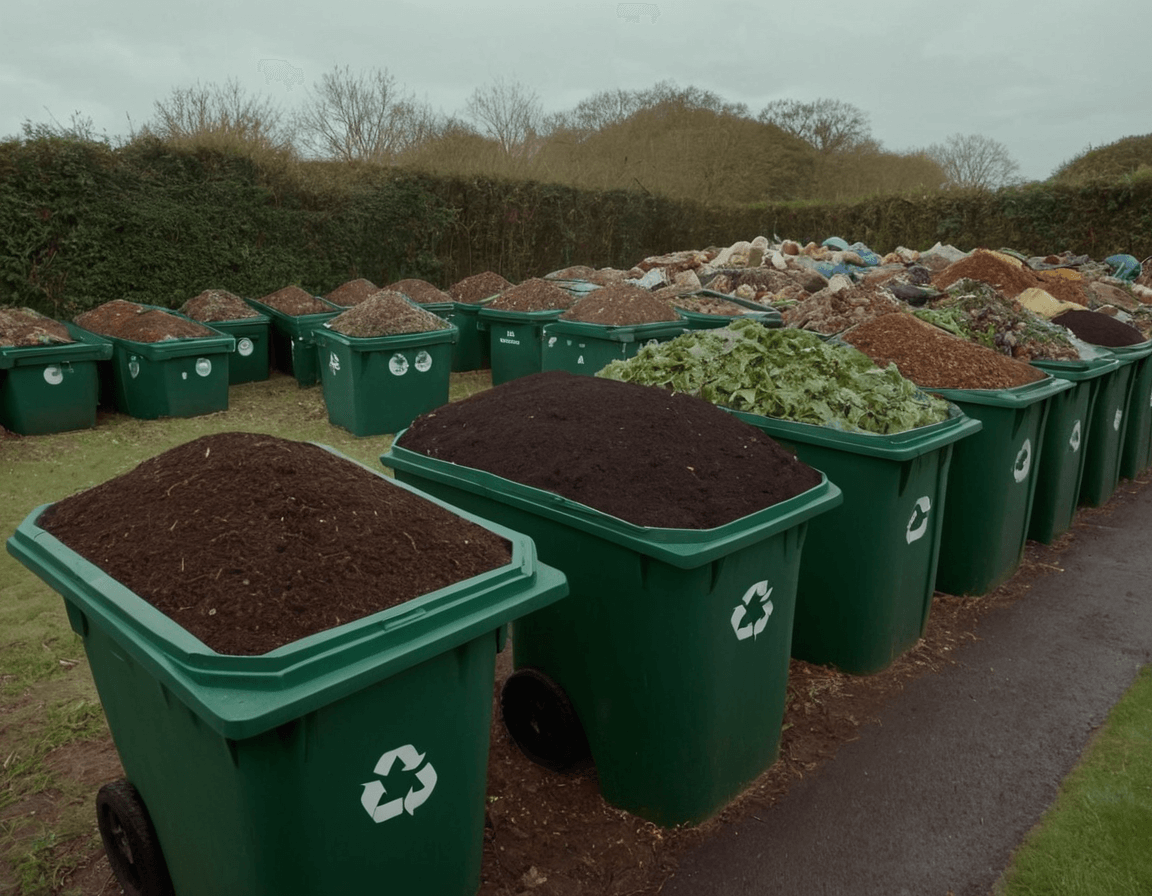
Waste is a global problem that has a significant impact on the environment, the economy, and society as a whole. From food to packaging, energy to everyday items, reducing waste has become a crucial goal to promote a more sustainable and responsible lifestyle. In this article, we will explore several practical strategies to reduce waste in our daily lives.
1. Awareness and Planning
Awareness is the first step to reducing waste. Taking the time to assess what is being wasted and why can help identify areas where improvements can be made. Careful planning of purchases, for example, can reduce impulse buying and limit the amount of food that ends up in the trash. Making a shopping list, checking what is already at home, and meal planning can help reduce food waste.
2. Packaging Reduction
Excessive packaging significantly contributes to waste of resources and environmental pollution. Opting for products with minimal or recyclable packaging can help reduce plastic waste and other non-biodegradable materials. Additionally, choosing bulk products when possible can help reduce the environmental impact of packaging.
3. Reuse and Recycling
Reuse and recycling are fundamental to reducing waste and conserving natural resources. Practices such as reusing containers, clothing, and other items, as well as recycling paper, plastic, glass, and metal, can help reduce the amount of waste sent to landfills and incinerators. Furthermore, donating usable items instead of discarding them can extend their lifespan and reduce waste.
4. Energy Use Reduction
Energy is a valuable resource, and reducing its consumption not only helps save money but also reduces environmental impact. Simple actions like turning off lights when not needed, using energy-efficient appliances, and reducing heating and air conditioning when possible can help reduce energy waste.
5. Promoting a Circular Economy
Adopting a circular economy model, which aims to reduce, reuse, recycle, and rethink products and materials, is essential to reducing waste on a large scale. This approach encourages the design of more durable products, sharing and renting goods, and repairing and recycling materials, thereby contributing to creating a more sustainable and resilient system.
Conclusions
Reducing waste is a shared goal that requires commitment and collaboration from individuals, businesses, governments, and organizations worldwide. Through concrete actions and a shift in mindset towards a more conscious and sustainable lifestyle, we can reduce waste and preserve natural resources for future generations. Each of us has a role to play in promoting a more sustainable and responsible future.