The Amazon Rainforest: Earth's Most Diverse Ecosystem.
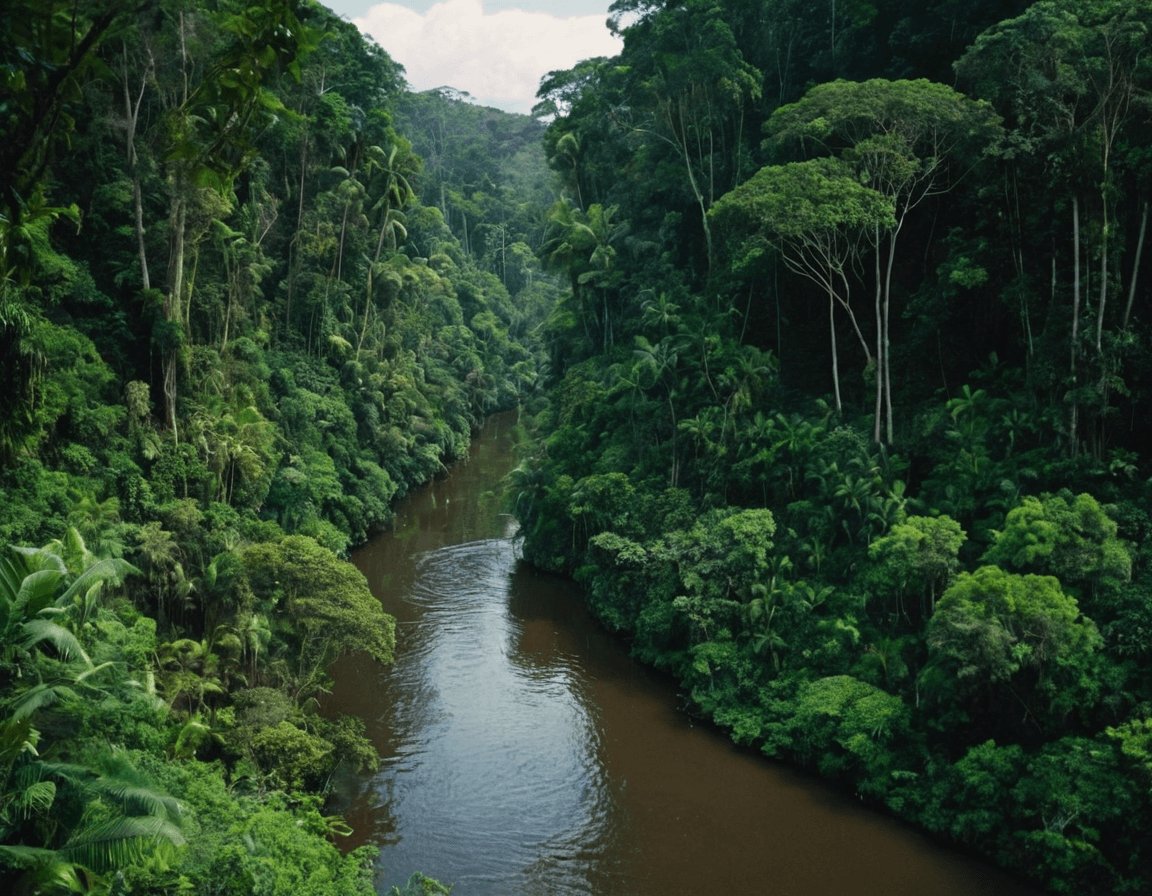
The Amazon Rainforest, often referred to as the "Lungs of the Earth," is a vast and awe-inspiring wilderness that blankets much of the South American Amazon Basin. Stretching across nine countries, including Brazil, Peru, Colombia, and Venezuela, this magnificent expanse of greenery is not only the largest tropical rainforest in the world but also one of its most vital ecosystems. In this article, we will explore the wonders of the Amazon Rainforest and why it is so crucial to the health of our planet.
Biodiversity Hotspot
The Amazon Rainforest is renowned for its unparalleled biodiversity, harboring an astonishing array of plant and animal species. It is estimated that this lush ecosystem is home to around 10% of the world's known species, many of which are found nowhere else on Earth. From iconic animals like jaguars, sloths, and pink river dolphins to an astounding variety of birds, insects, and reptiles, the Amazon teems with life in every corner.
Carbon Sink and Climate Regulator
Beyond its ecological richness, the Amazon plays a crucial role in regulating the Earth's climate. The dense vegetation of the rainforest acts as a massive carbon sink, absorbing vast amounts of carbon dioxide from the atmosphere and helping to mitigate climate change. Additionally, the transpiration of water vapor from the forest canopy contributes to the formation of rain clouds, which in turn helps to maintain regional and global climate patterns.
Indigenous Cultures and Traditional Knowledge
The Amazon Rainforest is also home to numerous indigenous communities that have thrived in harmony with their environment for thousands of years. These indigenous peoples possess invaluable knowledge of the forest's plants, animals, and ecosystems, which has been passed down through generations. Their traditional practices of sustainable land management and resource use offer valuable insights into how to conserve and protect the rainforest for future generations.
Threats to the Amazon
Despite its ecological importance, the Amazon Rainforest faces an array of threats, primarily driven by human activities. Deforestation, often for agricultural expansion, logging, mining, and infrastructure development, poses the most significant threat to the Amazon's integrity. Climate change, illegal wildlife trade, and invasive species also contribute to the degradation of this vital ecosystem.
Conservation Efforts
Efforts to conserve the Amazon Rainforest are ongoing, with organizations, governments, and local communities working together to protect its biodiversity and cultural heritage. Initiatives range from establishing protected areas and indigenous territories to promoting sustainable land use practices and ecotourism. International cooperation and support are crucial in addressing the complex challenges facing the Amazon and ensuring its long-term survival.
Conclusion
The Amazon Rainforest is a global treasure of unparalleled ecological significance, biodiversity, and cultural richness. As stewards of our planet, it is incumbent upon us to recognize the critical importance of the Amazon and take action to protect and preserve this invaluable ecosystem for future generations. By safeguarding the Amazon Rainforest, we not only protect the countless species that call it home but also contribute to the health and well-being of the entire planet.