Zero-Kilometer Foods: The Taste of Sustainability
Introduction
In recent years, the concept of "zero-kilometer foods" has gained increasing attention and appreciation among consumers who are conscious and attentive to sustainability. But what exactly does "zero-kilometer foods" mean and why are they so important? This article explores the meaning, benefits, and challenges associated with this food approach, along with practical tips for integrating zero-kilometer foods into your daily diet.
What Are Zero-Kilometer Foods?
Zero-kilometer foods are food products that are grown, harvested, and sold locally, generally within a radius of 100 kilometers from the point of sale. The main idea is to reduce the distance between the producer and the consumer, thereby minimizing the environmental impact associated with the transportation and distribution of food.
Benefits of Zero-Kilometer Foods
Reduction of Environmental Impact:
Transporting food over long distances significantly contributes to greenhouse gas emissions. Choosing zero-kilometer foods means reducing these emissions, promoting a more sustainable consumption model.
Support for the Local Economy:
Buying local products helps support small farmers and producers in the area, contributing to strengthening the local economy and keeping agricultural traditions alive.
Freshness and Quality:
Zero-kilometer foods are often fresher and more nutritious since they spend less time in storage and transportation. Freshness translates into better taste and higher vitamin and mineral content.
Reduction of Food Waste:
Foods that do not have to face long journeys are less prone to spoilage and waste. This means that a larger amount of produced food is effectively consumed.
Challenges of Zero-Kilometer Foods
Seasonality and Availability:
The availability of zero-kilometer products is closely tied to seasonality. This can limit the variety of foods available at certain times of the year and requires some flexibility in meal planning.
Cost:
In some cases, zero-kilometer products can be more expensive than those imported on a large scale due to less advantageous economies of scale for small producers.
Awareness and Accessibility:
Not all consumers are aware of the benefits of zero-kilometer foods, and not all areas have easy access to these products. Disseminating information and creating local distribution networks are essential to overcoming these challenges.
How to Integrate Zero-Kilometer Foods into Your Diet
Visit Local Markets:
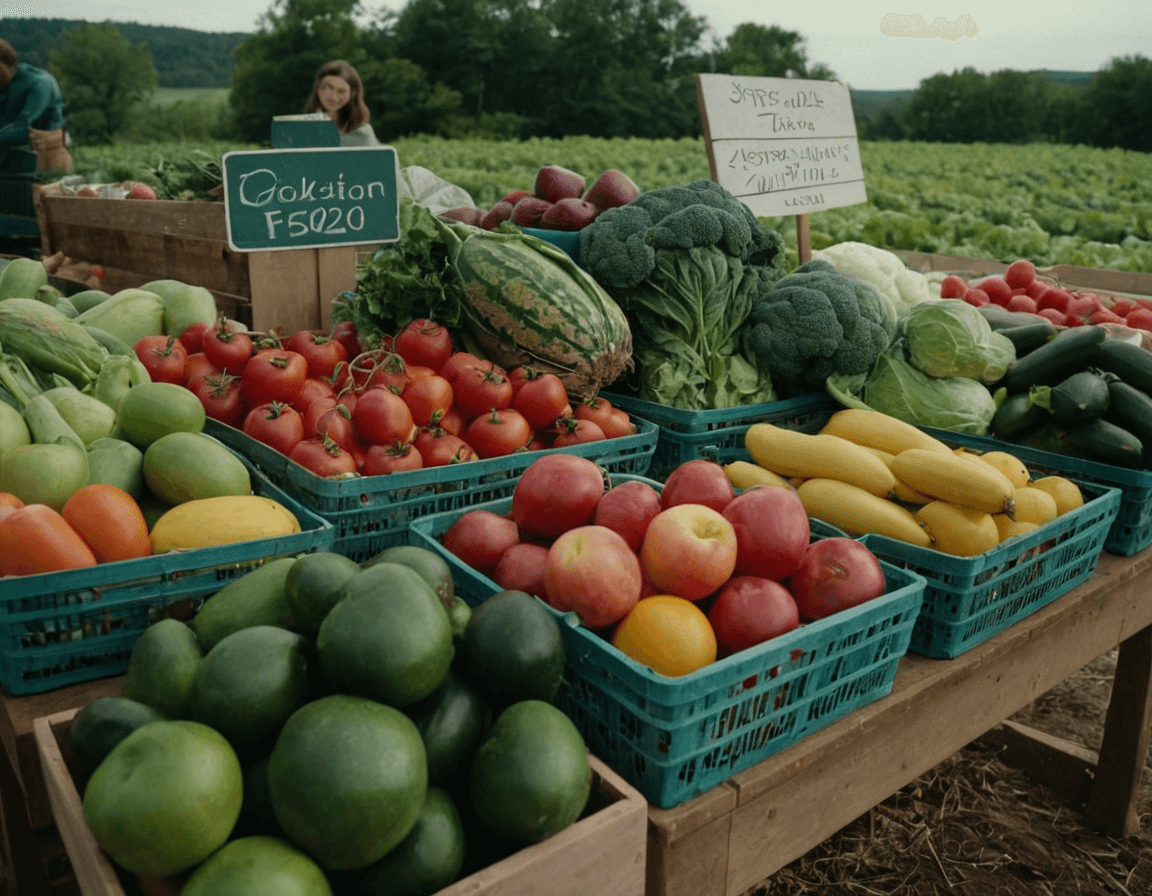
Frequenting farmers' markets is one of the best ways to find fresh and local products. Here, it is possible to speak directly with the producers and learn more about the origin of the food.
Join Solidarity Purchase Groups (GAS):
GAS are groups of consumers who come together to buy directly from local producers. This not only guarantees fresh and quality products but often also allows for savings through collective purchases.
Grow a Garden:
If you have enough space, growing a small home garden can be a rewarding way to obtain fresh zero-kilometer food. Even a balcony or terrace can host aromatic herbs and some vegetables.
Make Conscious Choices at the Supermarket:
When shopping, read labels and choose local products when available. Many supermarkets now offer sections dedicated to local products.
Conclusion
Zero-kilometer foods represent a sustainable and responsible approach to food consumption. By choosing to buy and consume local products, you not only contribute to reducing the environmental impact but also support the local economy and have the opportunity to enjoy fresher and more nutritious food. Despite the challenges, with a bit of effort and awareness, integrating zero-kilometer foods into your diet can be a significant step towards a more sustainable and healthy lifestyle.