Glacier Health: Guardians of Earth's Climate
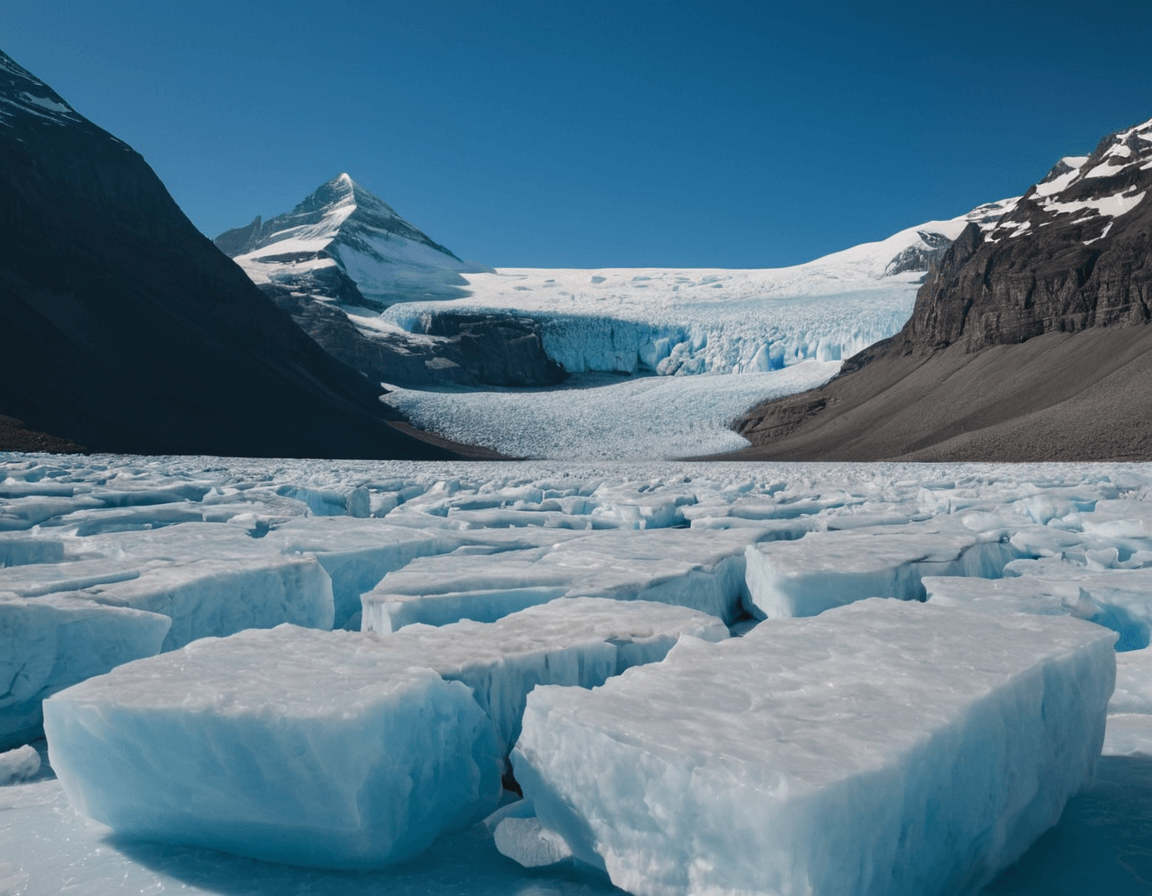
Glaciers, majestic rivers of ice carving through mountain landscapes, play a crucial role in regulating Earth's climate and sustaining ecosystems worldwide. However, glacier health is threatened by climate change and human activities. In this article, we will explore the importance of glacier health and the challenges they face in the modern world.
Climate Regulators
Glaciers act as natural freshwater reservoirs, storing vast quantities of ice formed from snowfall over thousands of years. As temperatures rise, glaciers melt, releasing freshwater into rivers and oceans. This meltwater is essential for sustaining ecosystems, providing drinking water, and supporting agriculture in downstream regions. Additionally, glaciers reflect sunlight, helping to cool the Earth's surface and regulate global temperatures.
Indicators of Climate Change
Glaciers are sensitive indicators of climate change. The rate of glacier retreat has accelerated in recent decades, with many glaciers worldwide shrinking at an alarming rate. This retreat is primarily driven by rising temperatures caused by greenhouse gas emissions from human activities. As glaciers disappear, they contribute to sea-level rise, leading to coastal erosion, increased flooding, and the loss of vital habitats for wildlife.
Threats to Glacier Health
Climate change poses the most significant threat to glacier health. Rising temperatures cause glaciers to melt faster than they can replenish their ice, leading to overall mass loss. Additionally, air pollution and black carbon particles can accelerate glacier melting by darkening the ice surface and absorbing heat. Human activities such as industrial development, tourism, and mining also contribute to glacier retreat through the emission of greenhouse gases and the disruption of fragile ecosystems.
Consequences of Glacier Decline
The decline of glaciers has far-reaching consequences for both human societies and the environment. Reduced freshwater availability can lead to water shortages, affecting agriculture, hydropower generation, and drinking water supplies for millions of people. Glacier melt also alters river flow patterns, exacerbating seasonal flooding and droughts in vulnerable regions. Furthermore, the loss of glaciers threatens biodiversity, as many species depend on glacier-fed ecosystems for their survival.
Conservation Efforts
Efforts to conserve glacier health focus primarily on mitigating climate change and reducing human impacts on glacier ecosystems. Strategies include transitioning to renewable energy sources, reducing carbon emissions, and implementing sustainable land use practices. Conservation organizations also work to raise awareness about the importance of glaciers and advocate for policies that protect these vital natural resources.
Conclusion
The health of glaciers is a critical indicator of Earth's changing climate and a key factor in the well-being of ecosystems and human societies worldwide. Urgent action is needed to address the root causes of climate change and protect these vital ice formations. By safeguarding glacier health, we can ensure the sustainability of freshwater resources, mitigate the impacts of climate change, and preserve the beauty and biodiversity of our planet for future generations.