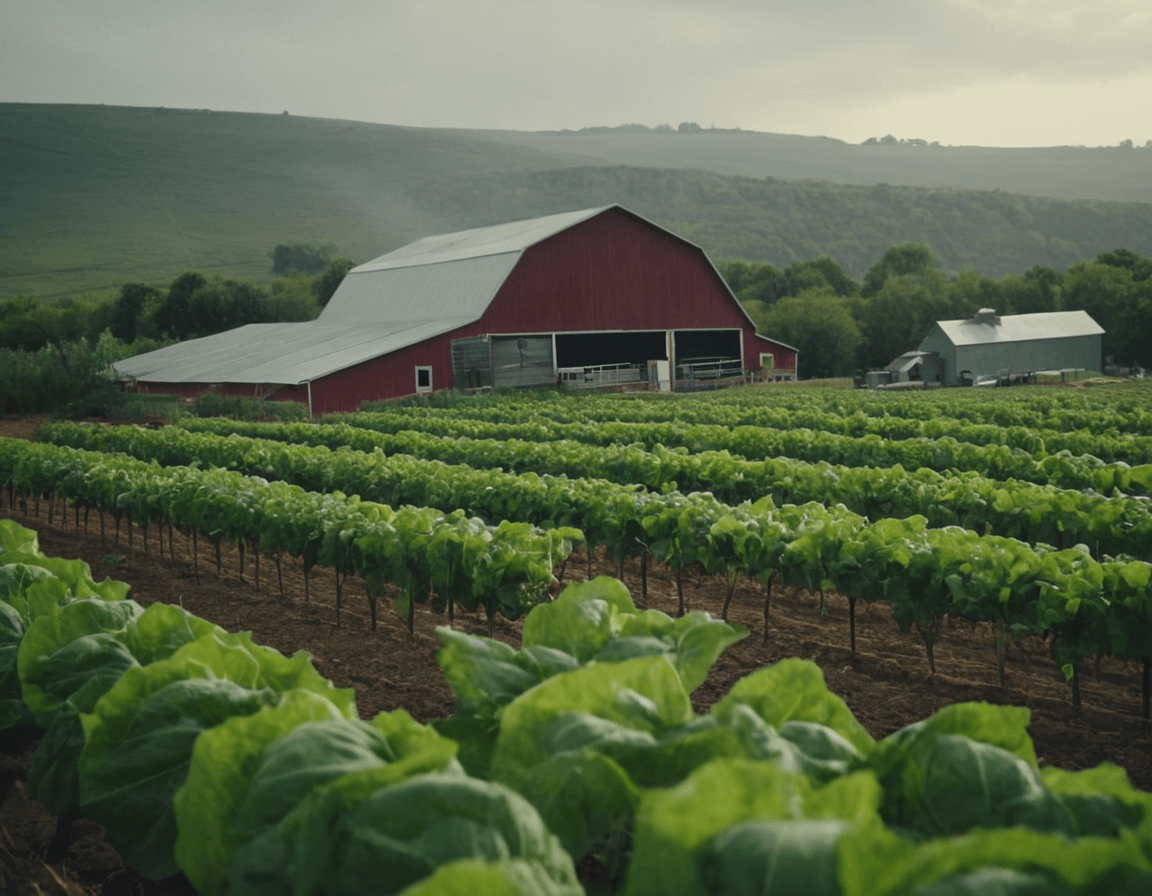
Exploiting the Earth: The Issue of Soil Degradation
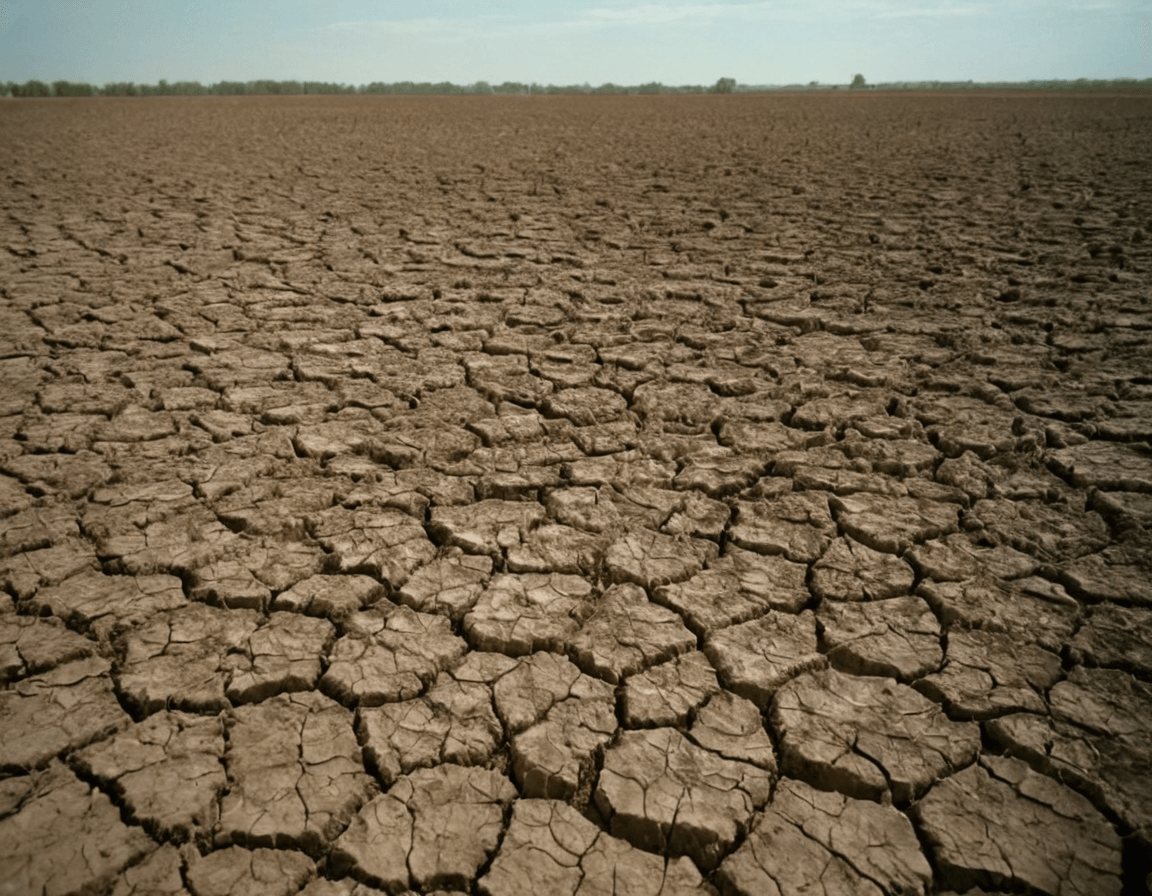
Land is a finite and precious resource essential for human survival and ecosystem functioning. However, unsustainable exploitation and soil degradation have become significant environmental and socio-economic challenges worldwide. In this article, we will explore the causes, consequences, and potential solutions to address the issue of soil exploitation.
Causes of Soil Exploitation
Soil exploitation, also known as land degradation, is driven by various human activities such as deforestation, unsustainable agriculture, urbanization, mining, and industrialization. Deforestation for timber, agriculture, and urban expansion disrupts ecosystems and exposes soil to erosion and degradation. Unsustainable farming practices like monoculture, excessive use of agrochemicals, and overgrazing degrade soil fertility and structure. Urban sprawl and infrastructure development lead to soil sealing, reducing its capacity to support vegetation and absorb water. Mining and industrial activities further degrade land quality through pollution and habitat destruction.
Consequences of Soil Exploitation
The consequences of soil exploitation are far-reaching and affect both the environment and human well-being. Degraded soil loses its fertility, productivity, and ability to support plant life, leading to reduced crop yields and food insecurity. Soil erosion exacerbates the risk of landslides, floods, and desertification, threatening communities and infrastructure. Loss of soil biodiversity impairs ecosystem functions and services, including nutrient cycling, water filtration, and carbon sequestration. Land degradation also contributes to climate change through the release of stored carbon and the disruption of natural carbon sinks.
Solutions to Soil Exploitation
Addressing soil exploitation requires a holistic approach that integrates sustainable land management practices, policy interventions, and community engagement. Sustainable agriculture practices such as agroforestry, conservation tillage, crop rotation, and organic farming can improve soil health and resilience. Reforestation and afforestation efforts help restore degraded landscapes and prevent soil erosion. Implementing land-use planning and zoning regulations can limit urban sprawl and protect natural habitats. Remediation and restoration techniques can rehabilitate degraded land and mitigate the impacts of mining and industrial activities. Education and awareness-raising initiatives are crucial for promoting responsible land stewardship and fostering a culture of conservation.
Conclusion
Soil exploitation poses a significant threat to food security, environmental sustainability, and human well-being. Addressing this issue requires collaborative efforts from governments, businesses, civil society, and individuals to promote sustainable land management practices and mitigate the drivers of land degradation. By adopting sustainable land-use practices, protecting natural ecosystems, and restoring degraded land, we can preserve the integrity of our soil and ensure the health and resilience of ecosystems for future generations. Protecting our land is not only essential for sustaining life on Earth but also for safeguarding the planet's biodiversity and natural resources. Let us work together to protect and restore the health of our soils and build a more sustainable future for all.