The Agri-Food System and Environmental Sustainability: Towards a Balanced Future
Introduction
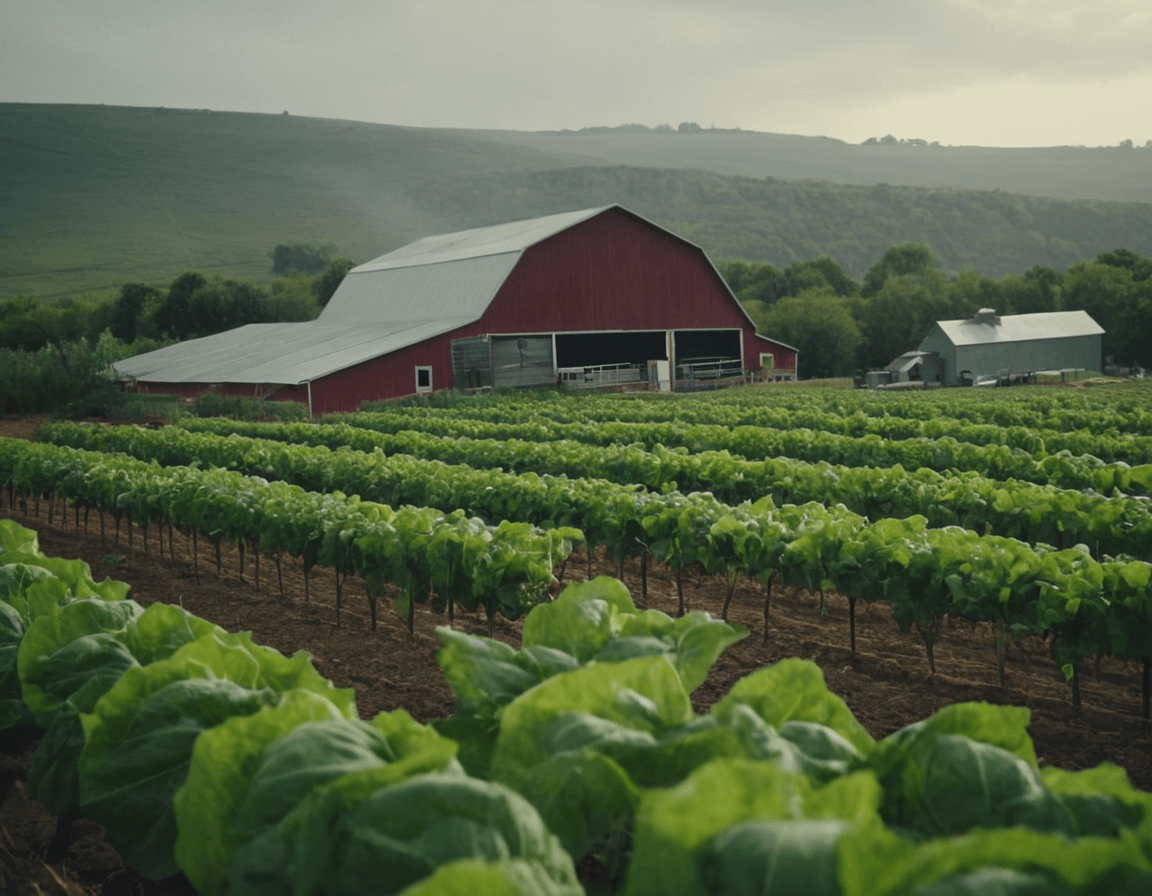
The agri-food system plays a crucial role in feeding the world's population, but it is also one of the main causes of environmental degradation. To address the challenges of population growth, climate change, and resource scarcity, it is essential to rethink how we produce, distribute, and consume food. This article explores the relationship between the agri-food system and environmental sustainability, analyzing current issues and possible solutions.
Challenges of the Agri-Food System
Soil Degradation:
Intensive agricultural practices, such as monoculture and the excessive use of pesticides and chemical fertilizers, deplete the soil, reducing its fertility and causing erosion. This soil degradation threatens long-term food production capacity.
Water Consumption:
Agriculture is one of the sectors that consumes the most water, with irrigation accounting for approximately 70% of global freshwater use. Inefficient use of water resources leads to increasing water scarcity, especially in already arid and drought-prone regions.
Greenhouse Gas Emissions:
Agricultural and livestock production is a major source of greenhouse gas emissions, such as methane and nitrous oxide. These gases significantly contribute to global warming and climate change.
Loss of Biodiversity:
The expansion of agricultural land often comes at the expense of natural ecosystems, leading to deforestation and habitat loss for many species. The reduction of biodiversity compromises the resilience of ecosystems and their ability to adapt to climate change.
Towards a Sustainable Agri-Food System
Regenerative Agriculture:
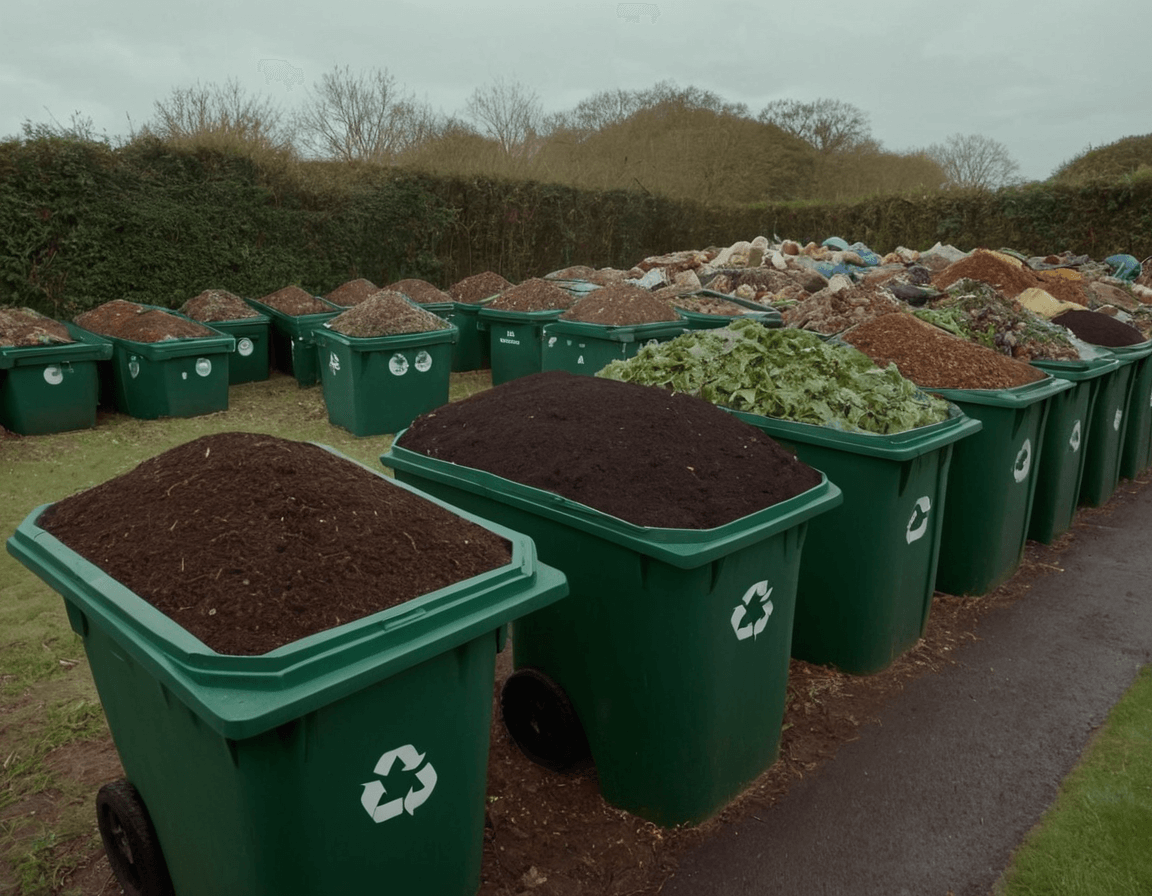
Regenerative agriculture promotes practices that improve soil health, such as crop rotation, cover crops, and composting. These techniques not only enhance soil fertility but also help sequester carbon, reducing the climate impact.
Sustainable Water Management:
Adopting efficient irrigation systems, such as drip irrigation, and collecting and reusing rainwater can significantly reduce water consumption. Additionally, integrated water resource management helps preserve aquatic ecosystems.
Emission Reduction:
Transitioning to low-impact agricultural practices, such as organic farming and agroecology, can reduce greenhouse gas emissions. Adopting more sustainable diets that reduce meat and animal product consumption also helps decrease the carbon footprint of the food system.
Biodiversity Protection:
Promoting agricultural practices that support biodiversity, such as agroforestry (integrating trees and crops), helps conserve natural habitats and improve the resilience of agricultural ecosystems. Additionally, supporting local varieties of plants and animals helps preserve genetic diversity.
Circular Economy:
Implementing a circular economy in the agri-food sector involves recycling and reusing waste, reducing waste, and improving resource efficiency. For example, agricultural residues can be transformed into compost or biogas, helping to close the nutrient cycle.
The Role of Consumers and Policies
Conscious Choices:
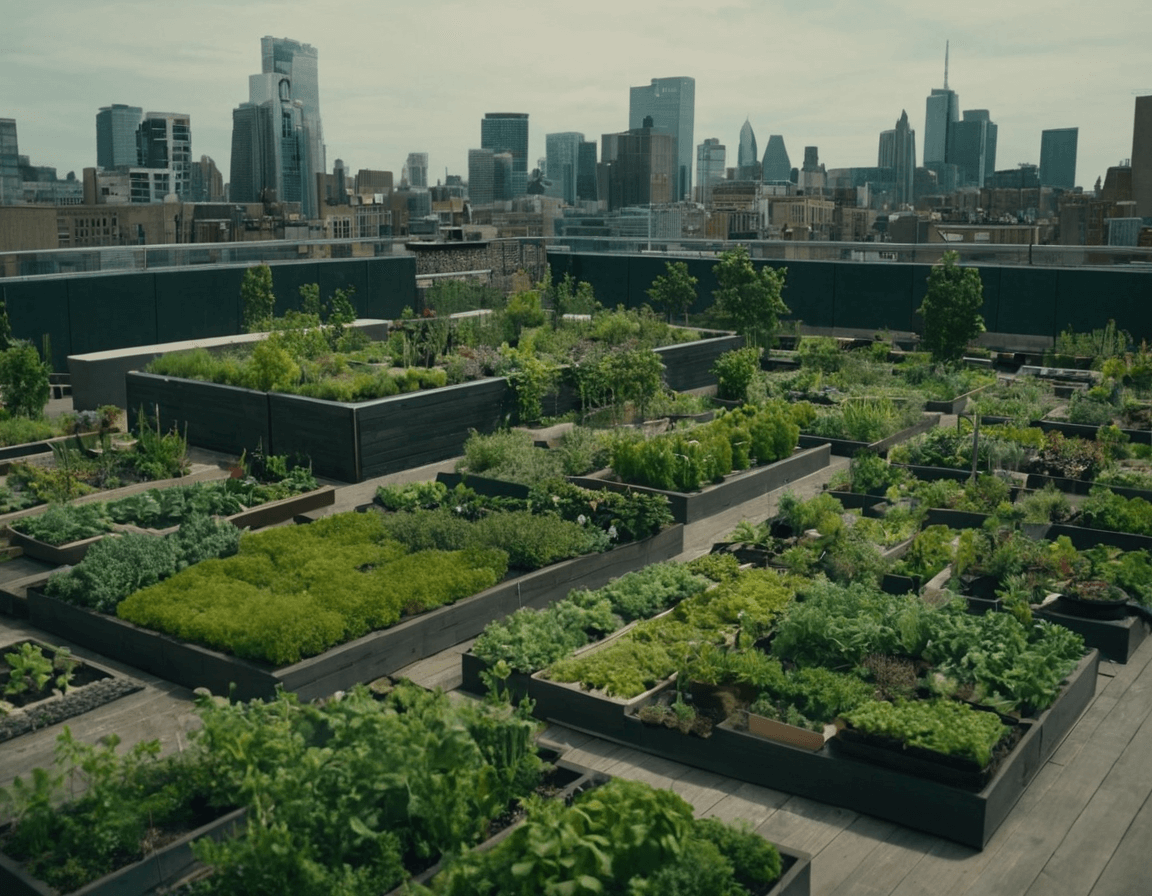
Consumers can significantly influence the agri-food system through their food choices. Preferring local, organic, and seasonal products reduces the environmental impact of food and supports local economies.
Education and Awareness:
Disseminating information on the importance of food sustainability and sustainable agricultural practices is essential to promote changes in consumption behaviors and production practices.
Sustainable Policies:
Governments and institutions play a crucial role in promoting the sustainability of the agri-food system through policies and incentives that support sustainable agricultural practices, the conservation of natural resources, and the protection of biodiversity.
Conclusion
Making the agri-food system sustainable is a complex but fundamental challenge for the future of our planet. By integrating regenerative agricultural practices, improving water resource management, reducing greenhouse gas emissions, and protecting biodiversity, we can create a more balanced and resilient food system. The active involvement of consumers, producers, and institutions is essential to guide this transformation towards a sustainable and prosperous future for all.