Renewable Energy Sources: The Future of Sustainability
Introduction
In an era where the climate crisis and environmental sustainability are at the forefront of global concerns, renewable energy sources emerge as crucial solutions to address these issues. This article explores the main renewable energy sources, their benefits, associated challenges, and their role in the planet's future energy landscape.
What Are Renewable Energy Sources?
Renewable energy sources are those that regenerate naturally and, unlike fossil fuels, do not deplete over time. These sources include solar, wind, hydroelectric, geothermal, and biomass energy. By utilizing infinite natural resources, these technologies promise to significantly reduce the environmental impact of energy production.
Main Renewable Energy Sources
Solar Energy:
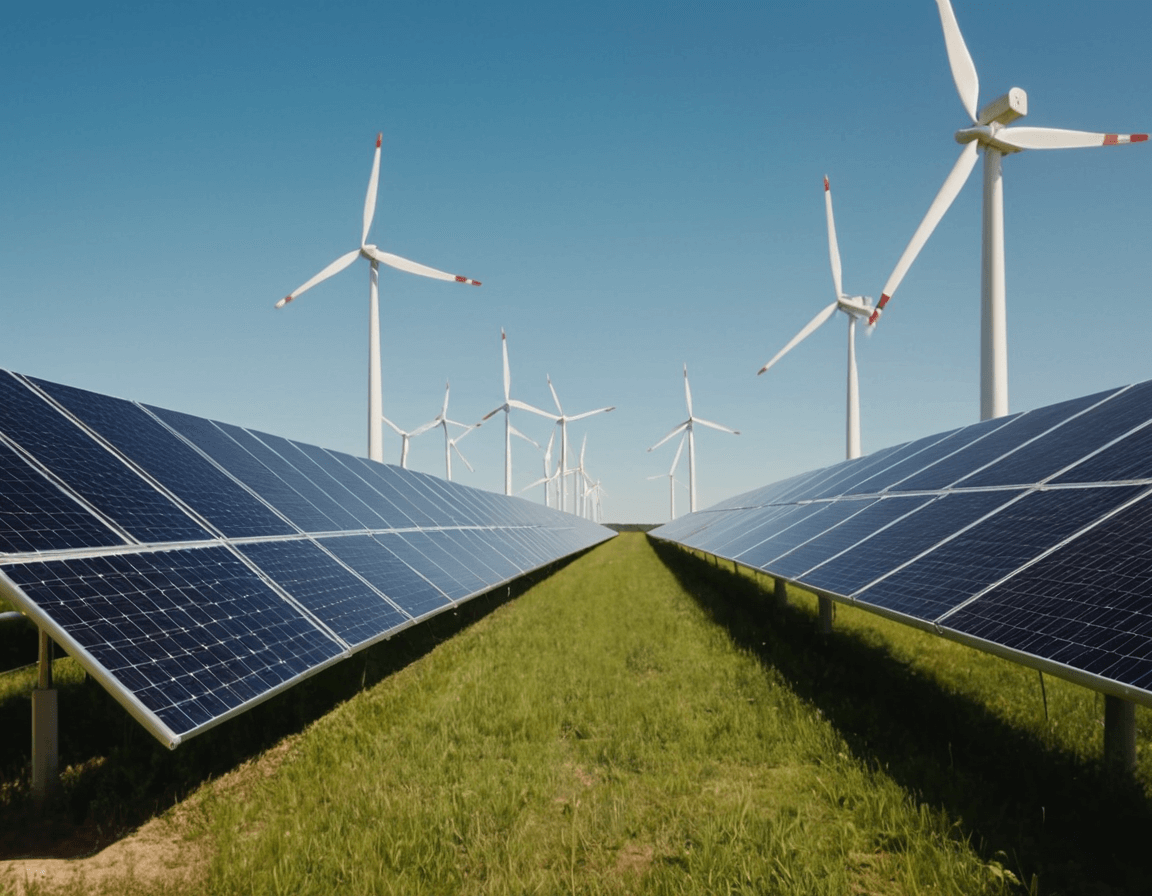
Solar energy harnesses sunlight to generate electricity through photovoltaic panels or to heat water and spaces through solar thermal systems. Thanks to continuous technological advancements, the costs of solar panels have decreased, making this source increasingly accessible and widespread.
Wind Energy:
Wind energy uses the wind to turn turbines that generate electricity. Wind turbines can be installed both on land and offshore, taking advantage of strong marine winds. This technology is particularly effective in regions with constant and strong winds.
Hydroelectric Energy:
Hydroelectric energy harnesses the movement of water, both in rivers and tides, to produce electricity. Hydroelectric plants can range from large dams to small river installations. This source is one of the most stable and mature, providing large amounts of energy with a low environmental impact if managed correctly.
Geothermal Energy:
Geothermal energy uses the Earth's natural heat to generate electricity and heat buildings. This source is particularly effective in regions with significant geothermal activity, such as Iceland and some areas of the United States and Italy.
Biomass:
Biomass uses organic material, such as agricultural residues, wood, and organic waste, to produce energy. It can be converted into biogas through anaerobic digestion processes or burned directly to generate electricity and heat. Biomass can also be transformed into biofuels for vehicles.
Benefits of Renewable Energy Sources
Reduction of CO2 Emissions:
Renewable energy sources emit significantly less CO2 compared to fossil fuels, helping to mitigate climate change and improve air quality.
Long-Term Sustainability:
Since renewable sources regenerate naturally, they offer a long-term sustainable energy solution, reducing dependence on finite and polluting resources.
Energy Security:
Diversifying energy sources with renewable options increases energy security, reducing dependence on fossil fuel imports and improving grid resilience.
Creation of Economic Opportunities:
The renewable energy industry generates jobs and stimulates technological innovation, contributing to local and global economic development.
Challenges of Renewable Energy Sources
Intermittency and Grid Stability:
Some renewable sources, like solar and wind, are intermittent by nature and depend on weather conditions. This requires energy storage solutions and advanced grid management to ensure a stable energy supply.
High Initial Costs:
Installing renewable plants requires significant initial investments. However, operational costs are generally lower compared to fossil fuels, and long-term savings can offset these investments.
Environmental and Social Impact:
Even renewable energies can have environmental and social impacts. For example, building hydroelectric dams can cause displacement of local populations and alterations in river ecosystems. It is essential to manage and mitigate these impacts through careful and responsible planning.
The Future of Renewable Energy
The future of renewable energy looks promising, with a growing global commitment to the energy transition. Favorable government policies, investments in research and development, and increasing consumer awareness are accelerating the adoption of these technologies. Furthermore, continuous innovation, such as advances in energy storage and smart grids, will make renewable sources even more efficient and integrated into our daily lives.
Conclusion
Renewable energy sources represent a fundamental part of the sustainable energy future. By harnessing infinite natural resources and reducing environmental impact, these technologies offer a concrete solution to the climate crisis and the need for a more resilient and sustainable energy system. Despite the challenges, the commitment to renewable energies is an investment in the well-being of the planet and future generations.