Types of Habitats: Diversity and Ecological Importance

Introduction
Natural habitats are environments where different species of plants, animals, and other organisms live. Each habitat provides unique conditions and specific resources necessary for the survival of the species that inhabit it. Conserving habitats is crucial for maintaining biodiversity and the health of ecosystems. In this article, we will explore various types of habitats, their distinctive characteristics, and their ecological importance.
Types of Habitats
Forests
Tropical Forests:
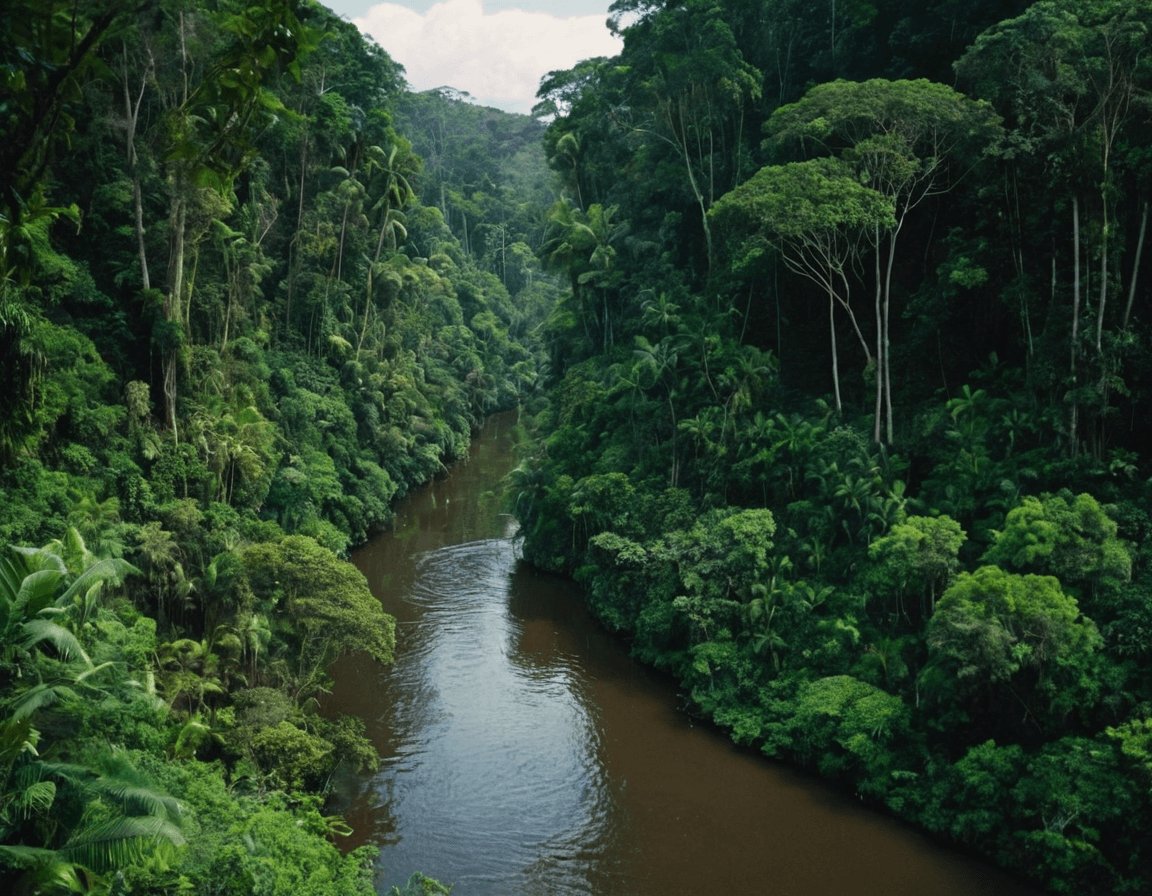
Tropical forests are located near the equator and are characterized by a warm and humid climate year-round. These habitats host an extraordinary variety of plant and animal species, many of which are found nowhere else in the world. Examples include the Amazon in South America and the Congo rainforest in Africa.
Temperate Forests:
Temperate forests are found in areas with well-defined seasons, including warm summers and cold winters. They are characterized by deciduous trees that lose their leaves in the fall. Examples include the broadleaf forests in Europe and North America.
Boreal Forests:
Also known as taiga, boreal forests are found in subarctic regions. They are dominated by conifers such as spruces and pines, and are crucial habitats for species adapted to cold climates, such as brown bears and moose.
Grasslands
Tropical Grasslands (Savannas):
Savannas are characterized by tall grasses and scattered trees and shrubs. These habitats are found in Africa, South America, and Australia and host large herbivores such as elephants, zebras, and giraffes.
Temperate Grasslands:
Also known as steppes, pampas, or prairies, these areas are dominated by short grasses and are common in North America (Great Plains), South America, and Eurasia. They are important habitats for species like bison, pronghorn, and numerous birds.
Deserts
Hot Deserts:
Hot deserts, such as the Sahara in Africa and the Sonoran Desert in North America, are characterized by high temperatures and low precipitation. Species that inhabit these areas, such as camels and snakes, are adapted to survive in extreme conditions.
Cold Deserts:
Cold deserts, such as the Arctic tundra, have long, cold winters and short summers. Vegetation is limited to lichens, mosses, and low plants. Animals like caribou and Arctic wolves are adapted to withstand low temperatures.
Wetlands
Marshes:
Marshes are areas of land saturated with water, often covered by aquatic vegetation. They are crucial for water filtration and as habitats for species of waterfowl, amphibians, and fish.
Swamps:
Similar to marshes but with more stagnant waters. Swamps are important for biodiversity and serve as habitats for numerous species of plants and animals, including alligators and various frog species.
Peatlands:
Peatlands are wetlands characterized by accumulations of peat, partially decomposed organic material. These habitats are crucial for carbon storage and host rare species such as the carnivorous plant sundew.
Marine Habitats
Coral Reefs:
Coral reefs, such as the Great Barrier Reef in Australia, are among the most biodiverse ecosystems in the world. They host a vast array of marine species, including corals, fish, mollusks, and crustaceans.
Mangroves:
Mangroves are found in tropical and subtropical coastal areas. Their intricate root systems provide protection and habitat for many marine organisms, such as fish and crustaceans, and help protect coastlines from erosion.
Oceans and Seas:
Oceans cover about 71% of the Earth's surface and are crucial for climate regulation and the carbon cycle. They host a vast range of life, from tiny plankton to large marine mammals like whales and dolphins.
Importance of Habitat Conservation
Habitat conservation is essential for maintaining biodiversity and ensuring the health of ecosystems. Habitat loss, primarily caused by human activities such as deforestation, intensive agriculture, and urbanization, is one of the main threats to global biodiversity. Conserving and restoring natural habitats not only protects the species that live in them but also contributes to ecosystem resilience and climate change mitigation.
Conclusion
The various types of habitats on Earth provide shelter and resources for an incredible diversity of life. Their conservation is fundamental to ensuring the sustainability of our planet. It is essential that we all recognize the importance of natural habitats and work together to protect and restore them, ensuring a prosperous future for all forms of life.