Urban Sustainability: Towards Greener and More Livable Cities
Introduction
The global trend towards urbanization presents significant challenges for the environment, economy, and society. With over half of the world's population now living in urban areas, rethinking the way cities are designed and managed has become essential. Urban sustainability emerges as a crucial strategy to address these challenges, improving the quality of urban life while reducing environmental impacts. This article explores the key concepts of urban sustainability, its benefits, and innovative solutions for creating greener and more livable cities.
What Is Urban Sustainability?
Urban sustainability refers to an approach to city planning and management that aims to balance economic, social, and environmental needs. This involves promoting practices that reduce ecological impact, enhance citizens' quality of life, and support inclusive and resilient economic growth. Key elements include energy efficiency, waste management, sustainable transportation, urban biodiversity, and social inclusion.
Benefits of Urban Sustainability
Reduction of Environmental Impact:
Sustainable cities reduce greenhouse gas emissions, minimize the use of natural resources, and promote renewable energy. This helps mitigate climate change and preserve the environment for future generations.
Improvement of Quality of Life:
Urban sustainability promotes the creation of green spaces, better air and water management, and infrastructure for leisure and social interaction. These elements enhance the physical and mental well-being of residents.
Economic Efficiency:
Sustainable cities are often more economically efficient, reducing energy costs, improving waste management, and encouraging innovation and job creation in the green sector.
Resilience to Crises:
Cities designed with sustainability in mind are better prepared to face crises such as climate change, natural disasters, and health emergencies, thanks to resilient infrastructure and flexible urban planning.
Solutions for Urban Sustainability
Energy Efficiency and Renewable Energy:
Implementing low-energy consumption buildings, using smart technologies for energy savings, and integrating renewable energy sources such as solar and wind are crucial for reducing the carbon footprint of cities.
Sustainable Mobility:
Promoting public transportation, cycling, and walking reduces traffic congestion and CO2 emissions. Infrastructure for electric mobility and car-sharing systems are other innovative solutions for greener transportation.
Waste Management:
Sustainable cities adopt advanced waste management practices, including recycling, composting, and waste reduction. Educational programs and incentives for citizens help promote sustainable behaviors.
Green Spaces and Urban Biodiversity:
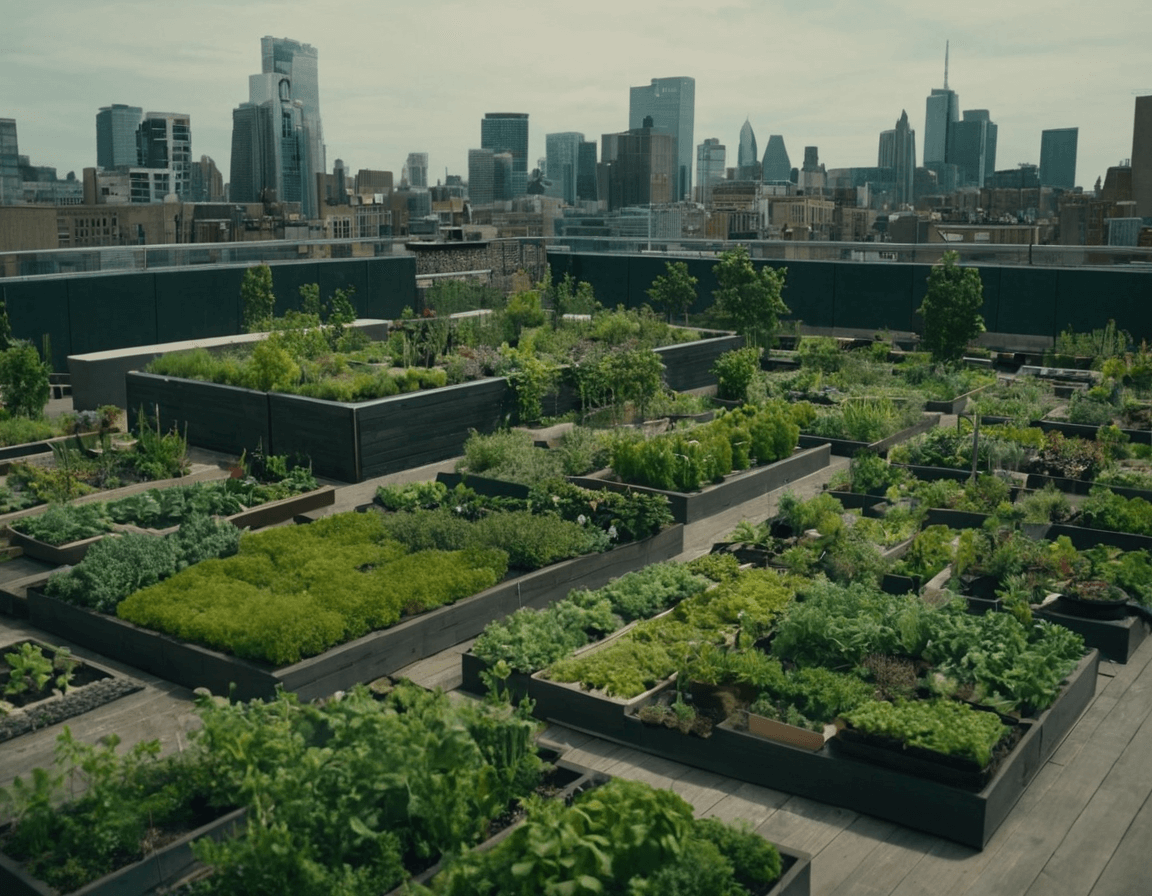
Creating and maintaining parks, urban gardens, and green roofs improve air quality, reduce the urban heat island effect, and provide habitats for urban wildlife. Additionally, these spaces offer recreation and well-being for residents.
Social Inclusion and Community Participation:
Urban sustainability also requires social inclusion and citizen participation in decision-making processes. Programs that promote accessibility, diversity, and community engagement are essential for creating more equitable and cohesive cities.
Examples of Sustainable Cities
Copenhagen, Denmark:
Copenhagen is a global leader in urban sustainability, with ambitious goals to become the first carbon-neutral capital by 2025. The city invests in green public transportation, cycling infrastructure, and sustainable buildings.
Freiburg, Germany:
Freiburg is known for its innovative policies on renewable energy, energy efficiency, and waste management. The Vauban district is an example of sustainable urban planning, with passive houses, solar energy, and pedestrian streets.
Singapore:
Singapore has adopted an integrated approach to urban sustainability, with a particular focus on water management, urban biodiversity, and emission reduction. Vertical gardens and green roofs are examples of how the city integrates nature into the urban environment.
Conclusion
Urban sustainability is not only a necessity to address environmental challenges but also an opportunity to improve the quality of life in cities and promote a more resilient and inclusive future. By implementing innovative solutions and actively engaging citizens, we can build cities that are not only sustainable but also livable and prosperous for future generations.