The Impact of Air Pollution: A Global Concern
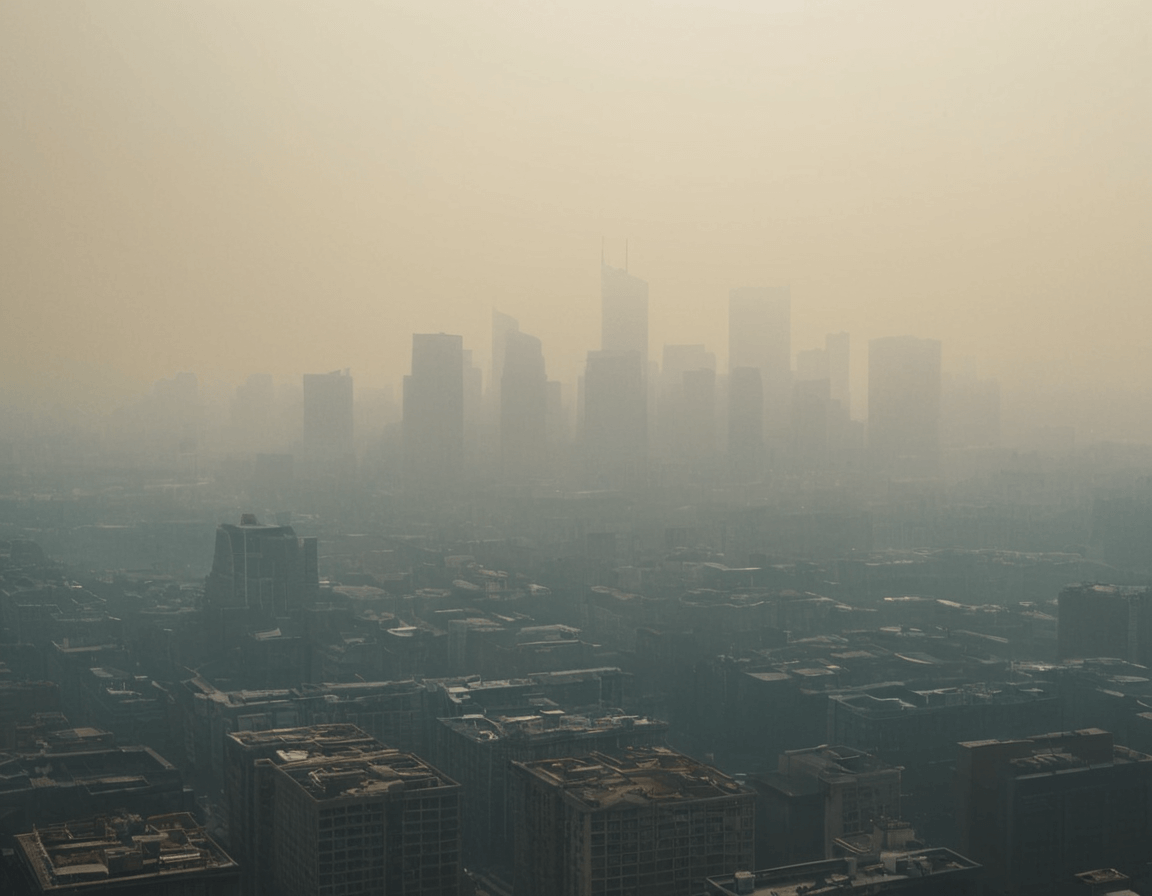
Air pollution represents a significant threat to human health and the environment, affecting communities worldwide. In this article, we will delve into the causes, effects, and solutions to address the issue of air pollution.
Causes of Air Pollution
Air pollution is primarily caused by human activities, including industrial emissions, vehicle exhaust, agricultural practices, and energy production. These activities release pollutants such as particulate matter, nitrogen oxides, sulfur dioxide, volatile organic compounds, and greenhouse gases into the atmosphere. Natural sources like wildfires, volcanic eruptions, and dust storms also contribute to air pollution, albeit to a lesser extent.
Effects on Human Health
Exposure to air pollution can lead to a wide range of health problems, including respiratory diseases, cardiovascular issues, lung cancer, and even premature death. Particulate matter and other pollutants can penetrate deep into the lungs and enter the bloodstream, causing inflammation and exacerbating existing health conditions. Vulnerable populations such as children, the elderly, and individuals with pre-existing health conditions are particularly at risk.
Environmental Impacts
Air pollution not only affects human health but also has detrimental effects on the environment. Pollutants like nitrogen oxides and sulfur dioxide contribute to the formation of acid rain, which can damage soil, water bodies, and vegetation. Additionally, airborne pollutants can harm ecosystems, disrupt wildlife habitats, and contribute to the loss of biodiversity. Ground-level ozone pollution, a key component of smog, can stunt plant growth and reduce crop yields.
Climate Change
Furthermore, many air pollutants, such as carbon dioxide and methane, are greenhouse gases that contribute to climate change. These gases trap heat in the Earth's atmosphere, leading to global warming and associated impacts like rising sea levels, extreme weather events, and disruptions to ecosystems. Addressing air pollution is thus crucial for mitigating climate change and safeguarding the planet's future.
Solutions to Air Pollution
Addressing air pollution requires concerted efforts at the local, national, and international levels. Strategies to reduce air pollution include implementing cleaner technologies and fuels, improving energy efficiency, promoting public transportation and cycling, enforcing emissions standards for vehicles and industries, and transitioning to renewable energy sources. Reforestation and green spaces in urban areas can also help absorb pollutants and improve air quality.
Conclusion
Air pollution is a complex and multifaceted issue that requires urgent action to protect human health, preserve the environment, and mitigate climate change. By implementing effective policies and practices to reduce emissions and promote sustainable development, we can work towards a cleaner, healthier future for all. Public awareness, community engagement, and collaboration between governments, businesses, and individuals are essential in addressing the global challenge of air pollution. Together, we can strive towards cleaner air and a more sustainable world.